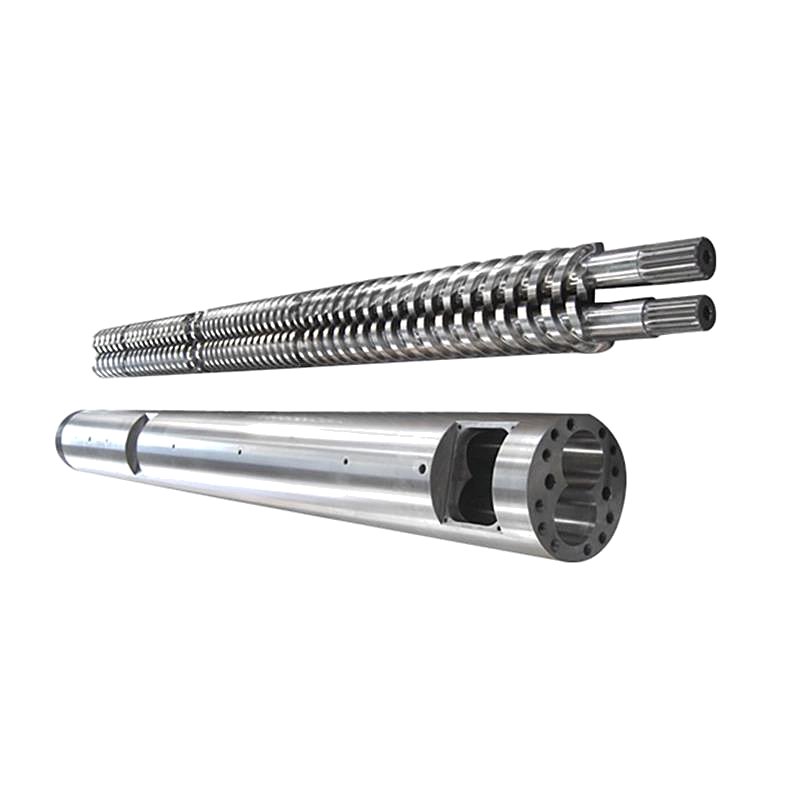
Parallel twin screw barrels with co-rotating or counter-rotating geometry, plus segmented screw elements, for compounding, masterbatch, PVC powder and profile extrusion.
A parallel twin screw barrel has two screws of equal diameter running side by side in a figure-eight bore. The two shafts intermesh — co-rotating for compounding and masterbatch, counter-rotating for PVC powder and profile extrusion.
Compared with a single screw, the twin configuration gives far better conveying of difficult powder, stronger dispersive mixing, and much better self-cleaning. That is why it dominates compounding, masterbatch and PVC dry-blend processing.
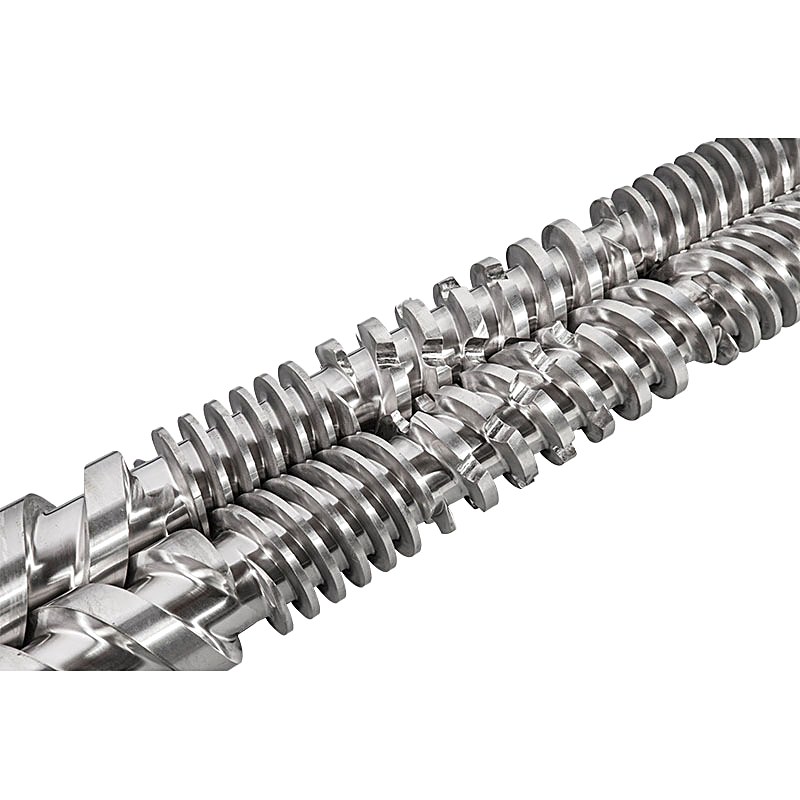
Two build types are available: a one-piece screw shaft, or a segmented design where individual screw elements slide onto a splined shaft so the mixing profile can be reconfigured for different formulations.
Self-cleaning, high-speed design for compounding, masterbatch and reactive extrusion.
Positive conveying for PVC powder, profile and pipe extrusion at lower shear.
Modular elements on a splined shaft — reconfigure the mixing profile per formulation.
Individual barrel segments with feed, vent and side-feeder ports.
High dispersive mixing geometry for pigment and additive dispersion.
Low-shear, temperature-controlled design for unplasticised PVC dry blend.
Bimetallic-lined bore and coated elements for filled and recycled compounds.
Compact parallel twin barrels for lab and pilot lines.
For PVC pipe, profile and WPC extrusion on parallel twin-screw lines.
Barrel body with flanged ports, deep-hole bored and honed.
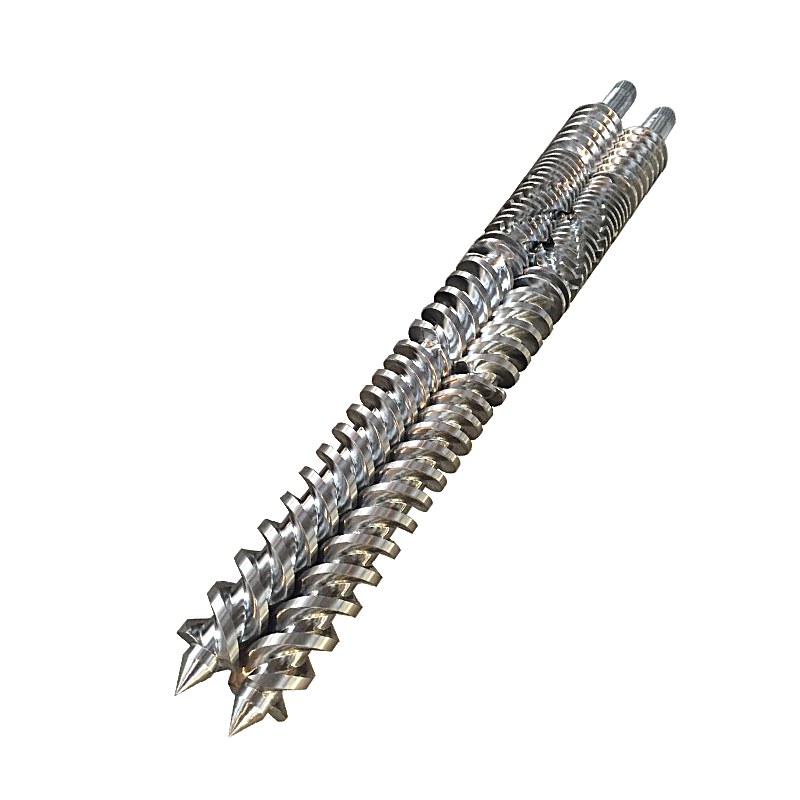
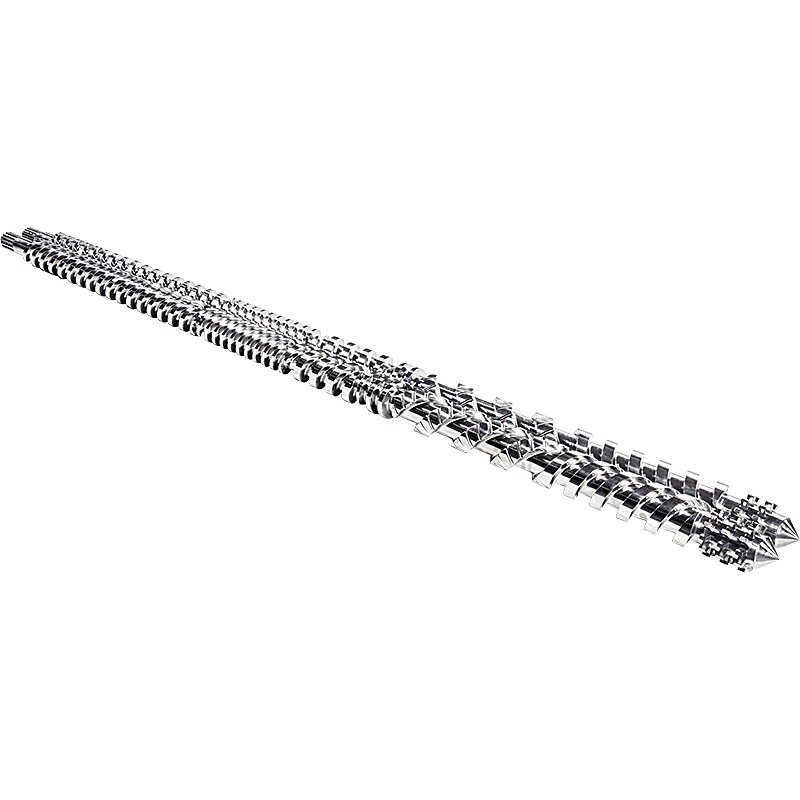
Flight-profiled, match-marked pair for even plasticising.
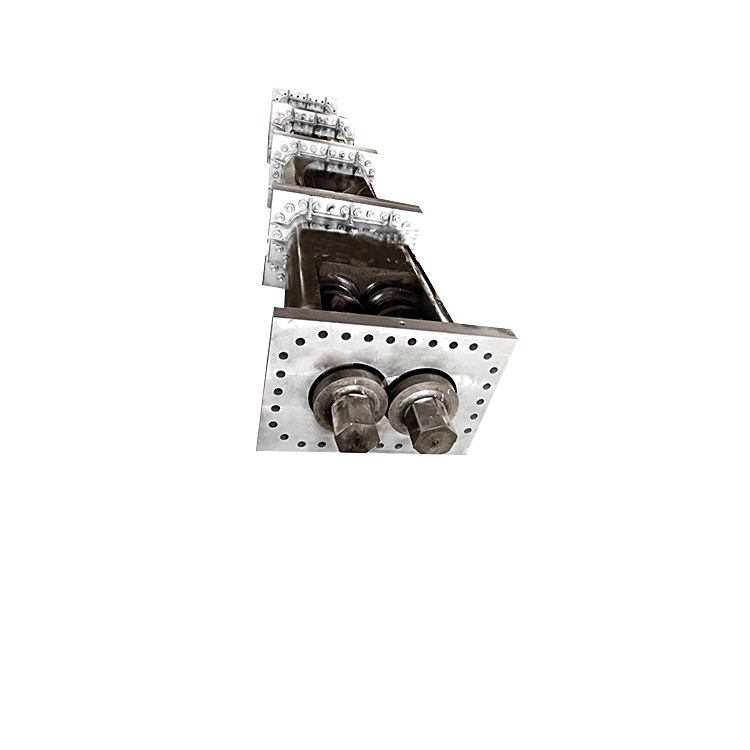
Alloy-lined barrels for calcium-filled and recycled PVC formulations.
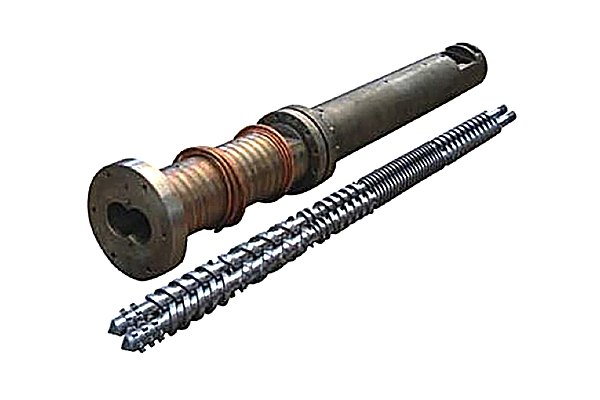
Parallel twin screw barrel for large-diameter uPVC pipe and mWPC pipe lines.
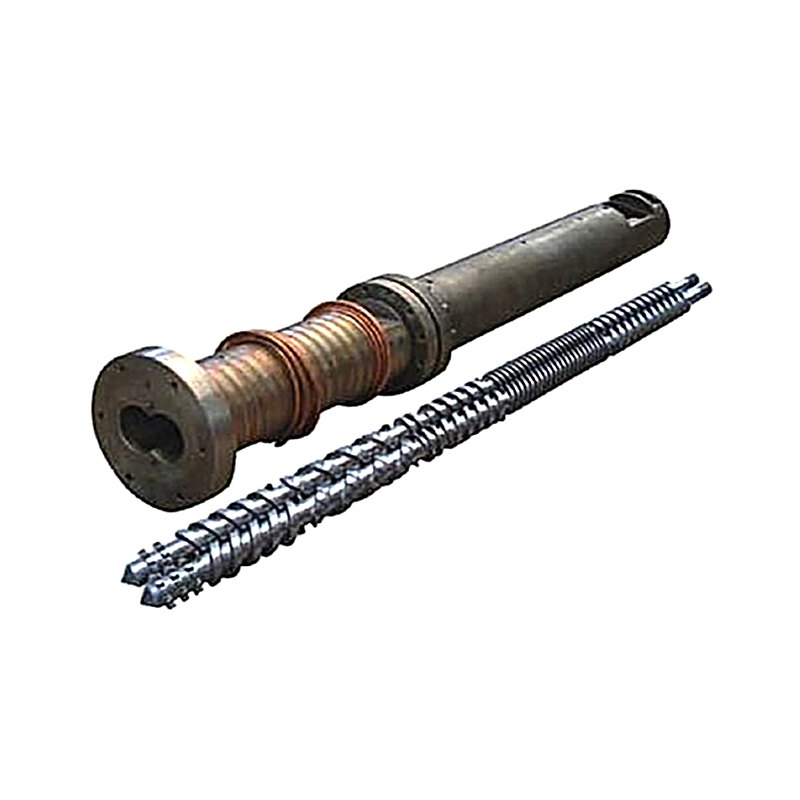
Parallel twin screw barrel tuned for rigid PVC profile lines and stable gelation.
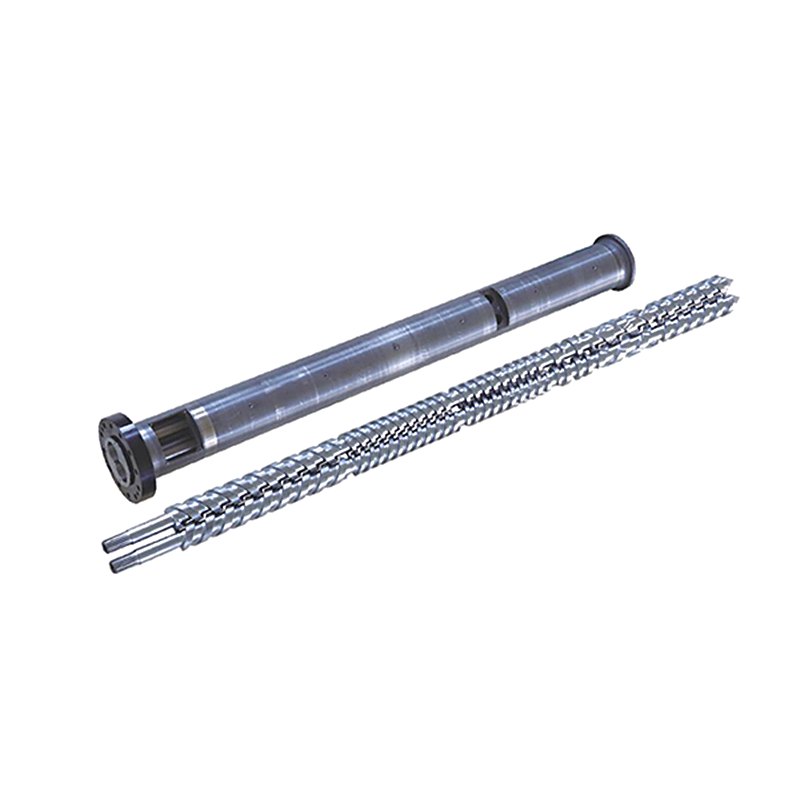
Wear-protected parallel twin screw barrel for wood-plastic composite profile and board.
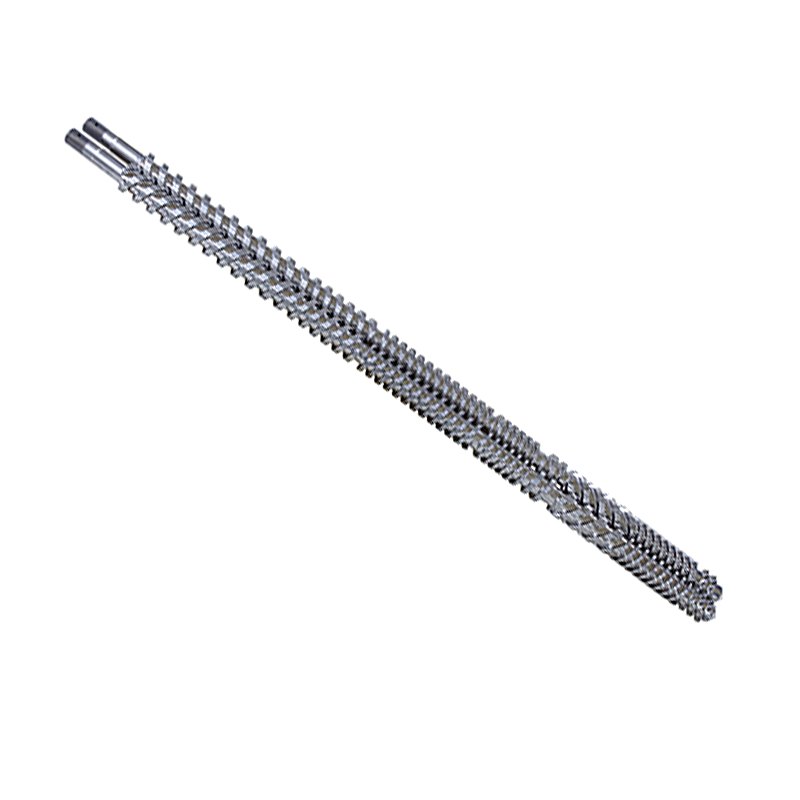
Parallel twin screw barrel for rigid PVC dry-blend and cable-compound pelletising.
New models are added regularly — or send your drawing or worn sample for a custom build.
Standard ranges shown below. Non-standard sizes and custom geometry are built to your drawing or sample.
| Item | Specification |
|---|---|
| Configuration | Co-rotating or counter-rotating intermeshing twin screw |
| Screw Diameter | Built to your machine specification |
| Screw Structure | One-piece shaft or segmented elements on splined shaft |
| Barrel Structure | Solid barrel or modular barrel sections with feed / vent ports |
| Base Material | 38CrMoAlA, 42CrMo, 304 stainless steel, high-speed tool steel |
| Nitriding | 0.4 – 0.7 mm, HV 900–1100 |
| Bimetallic Layer | 2 – 5 mm alloy lining for abrasive or corrosive compounds |
| Element Types | Conveying, kneading, mixing, reverse and shear elements |
| Machining Tolerance | ±0.02 mm on critical fits |
| Lead Time | Confirmed with quotation depending on configuration |
| Type | Rotation | Typical Use | Recommended Treatment |
|---|---|---|---|
| Compounding | Co-rotating | Masterbatch, filled compound, alloy blending | Bimetallic or nitrided |
| Profile / Pipe | Counter-rotating | PVC window profile, pipe, foam board | Nitrided |
| Sheet | Counter-rotating | PVC sheet and foam sheet | Nitrided |
| Reactive Extrusion | Co-rotating | Grafting, coupling and reactive blending | Bimetallic |
| Recycling | Co-rotating | Recyclate compounding and re-pelletizing | Bimetallic |
| Powder Coating | Co-rotating | Powder coating resin compounding | Nitrided |
Material and treatment are selected by the resin you process, filler content and expected service life.
Standard for PVC and general compounding where abrasion is moderate.
For glass fibre, mineral filler and recycled feed — the usual choice in compounding.
Wear-resistant segmented elements for highly filled and abrasive compounds.
Corrosive formulations, food-contact and hygiene-sensitive applications.
High-torque shafts for heavily loaded compounding sections.
Alloy selection mapped to your filler type, ratio and throughput.
Common problems we help injection and extrusion plants solve — and how a matched screw barrel fixes them.
Kneading blocks lose their profile, and dispersive mixing quality falls.
Replace worn elements or move to a wear-resistant material.Figure-eight bore wears unevenly and clearance grows, dropping pressure build-up.
Bimetallic-lined barrel sections restore and hold clearance.Hard-to-convey powder causes bridging and unstable throughput.
Correct element configuration improves conveying consistency.Pigment or filler dispersion varies between batches.
Optimised kneading block arrangement stabilises dispersion.Rebuilding the whole shaft for each formulation is slow and expensive.
Segmented elements let you reconfigure only the needed section.Even a 0.05 mm offset between bores shortens screw life.
Both bores machined in one setup on the same machine for guaranteed alignment.Formulation, filler level and throughput determine rotation direction, element layout and material.
We propose screw element arrangement and barrel section layout with feed and vent positions.
Barrel boring and element machining on CNC equipment with treatment allowance.
Nitriding, bimetallic lining or tool-steel hardening per material selection.
Grinding of elements and bore to final tolerance and concentricity.
Elements fitted on shaft, barrel sections aligned, clearance verified, then packed.
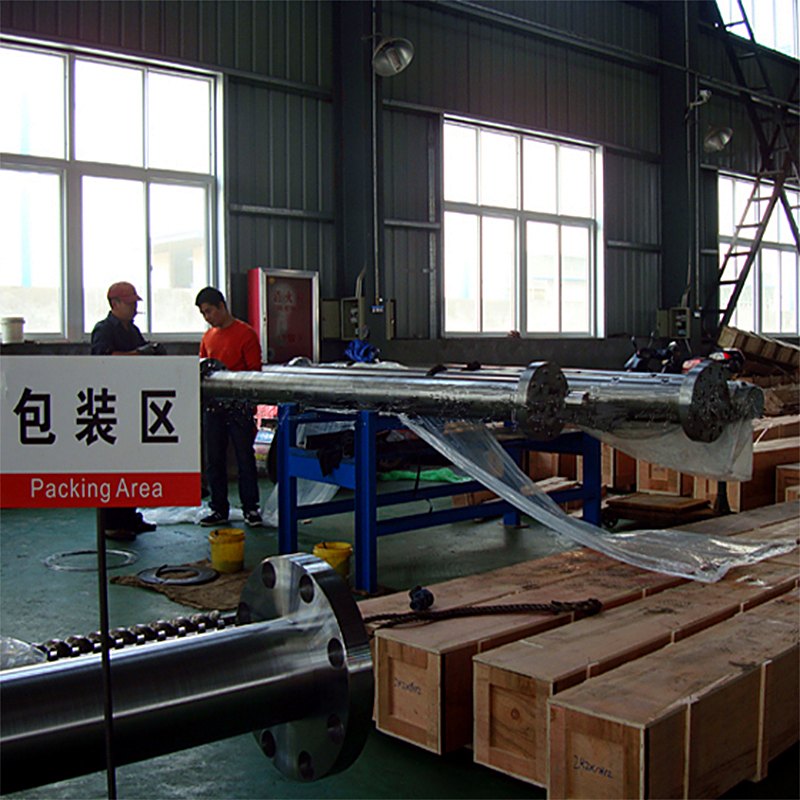
Filled and reinforced compounds, alloy blending and reactive extrusion.
Colour, additive and filler masterbatch production.
Window profile, door panel, pipe and foam board from PVC dry blend.
Recyclate compounding, re-pelletizing and upgrading.
PVC sheet, foam sheet and calender feed preparation.
Powder coating resin compounding and colour matching.
Hygienic formulations using stainless construction.
Pigment and filler masterbatches on co-rotating parallel twin extruders.
Glass-fibre reinforced PA, PP and PBT compounds.
“The segmented elements let us change the mixing profile between formulations without replacing the whole shaft.”
Process EngineerMasterbatch producer, Europe“On glass-filled compound the bimetallic sections hold up far better than what we ran before.”
Plant ManagerCompounding plant, Middle East“Barrel sections were delivered with the vent ports in the right positions, so installation was straightforward.”
Maintenance LeadPVC profile extruder, South AmericaCo-rotating is generally used for compounding, masterbatch and recycling because of its self-cleaning and dispersive mixing. Counter-rotating is common for PVC powder, profile and pipe because of its positive conveying at low shear. Tell us your material and product and we recommend the configuration.
Individual elements slide onto a splined shaft, so you can reconfigure the mixing profile for a new formulation instead of replacing the entire screw. It reduces spare-part cost and changeover time.
Yes. We supply conveying, kneading, mixing, reverse and shear elements, plus barrel sections, matched to your existing machine.
Falling pressure build-up, reduced output and inconsistent melt quality are typical signs. We can assess wear from dimensions you measure, or from the barrel sent to us.
Yes — bimetallic-lined barrel sections and wear-resistant tool-steel elements for abrasive and filled compounds.
Machine model, screw diameter, rotation direction, centre distance, formulation with filler type and level, and target throughput. A drawing or the worn parts is even better.
Send the drawing, machine model or worn sample — we confirm the geometry and quote within one working day.
Tell us the machine model, screw diameter and material you process — we will reply with a matched solution and quotation.
Or write directly to info@xiwangindustry.com · WhatsApp +86-13503734287
Yes. Interchangeable barrel sections and liner inserts can be built to your existing housing dimensions so a single worn section is replaced rather than the whole barrel. Send the section drawing or the extruder model and section number.
Send us the measured bore diameter at several points along the barrel, or the running hours and material since the last rebuild. From that we can tell you whether you need a replacement section, a re-lined section, or nothing yet.
Yes. We build conveying elements, kneading blocks and reverse elements to your existing geometry, nitrided or bimetallic, so you replace only what has worn instead of the whole shaft set.
Tell us your machine model, drawing or worn sample — we reply with a matching proposal and quotation within one business day.