Shipment · 22 Oct 2026
The right answer depends on your resin and filler loading, not on which one costs more. A practical decision guide for buyers.
A nitrided barrel is a steel barrel with a hardened skin. A bimetallic barrel is a steel barrel with a cast alloy bore. The first is cheaper, the second lasts far longer on abrasive material - and the crossover point is your resin.
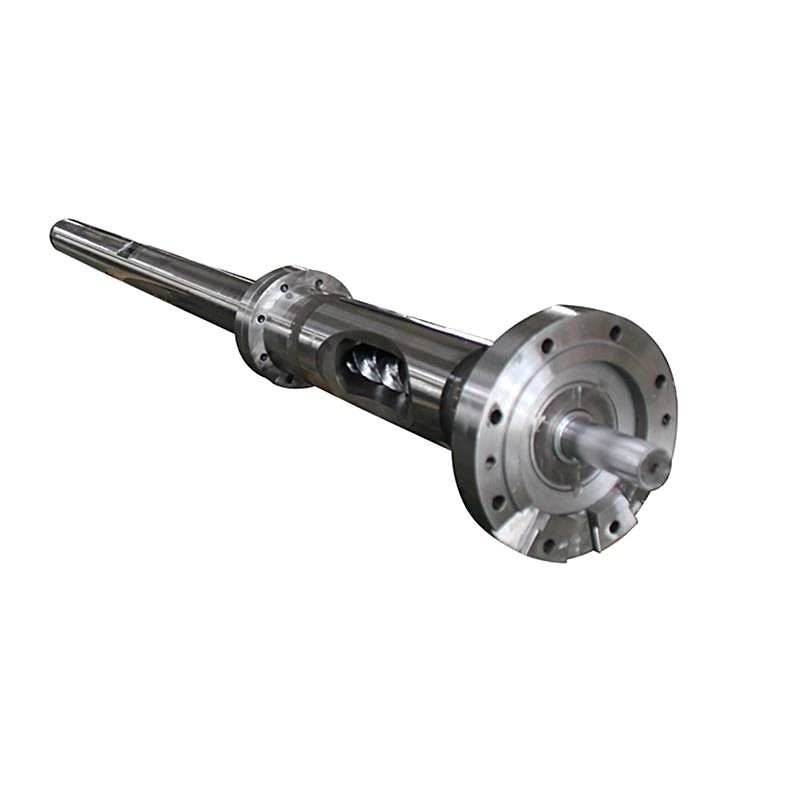
Gas nitriding diffuses nitrogen into the surface of 38CrMoAlA steel, producing a case hardness of HV 900–1100 to a depth of roughly 0.45–0.7 mm. It is hard, low friction and inexpensive. For unfilled PE, PP, PS, ABS and virgin PVC it is usually the correct choice and anything more is money spent for nothing.
Instead of a diffusion layer a few tenths of a millimetre thick, the bore is centrifugally cast with a 2–5 mm alloy layer that is metallurgically bonded to the steel body. There is no plating to peel and no interface to flake. On glass-filled material the service life is typically three to five times that of nitrided steel.
Compare cost per ton produced, not purchase price. A bimetallic barrel that costs 60% more and lasts four times as long is cheaper - the bigger real saving is the production you did not lose to output drift, rising melt temperature and an unplanned shutdown.
Send your machine model, drawing or worn sample — we reply with a matching proposal and quotation within one business day.